2026-11-11 · Jake Harlan
How to Insulate Pipes Against Reno Winter Freezes
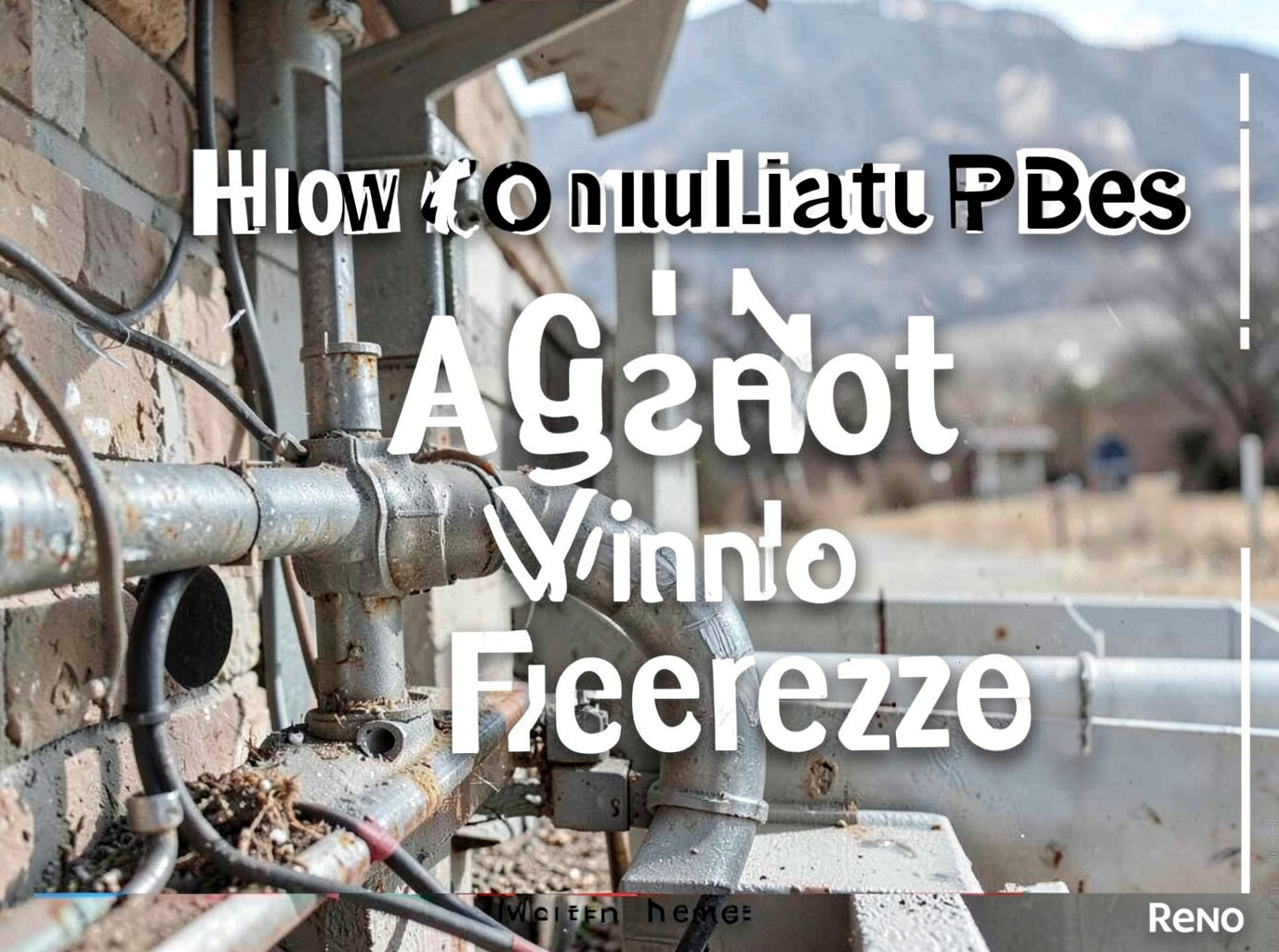
In Reno's high desert climate, wrapping exposed pipes with closed-cell foam sleeves at least 1/2 inch thick and adding electric heat tape on the coldest lines stops freezes when temperatures drop below 20°F overnight.
Understanding Reno Winter Freeze Risks
Reno sits in Washoe County where winter lows often reach single digits, especially in neighborhoods like Caughlin Ranch and Damonte Ranch with older ranch-style homes built in the 1970s and 1980s. These properties frequently have crawl spaces and exterior walls that leave supply lines unprotected. The Truckee River corridor adds humidity that makes condensation freeze faster on metal pipes. Homeowners in Midtown and Old Southwest see more slab leaks after cold snaps because copper lines run close to uninsulated foundations. Nearby Sparks experiences similar patterns but with slightly milder winds off the valley floor. Without insulation, a single night below freezing can split a 3/4-inch line and send water into basements or garages.
Choosing the Right Insulation Materials
Closed-cell foam pipe sleeves work best for straight runs because they resist moisture absorption common in Reno's dry winters. Measure pipe diameter first—most homes use 1/2-inch or 3/4-inch copper—so the sleeve fits snugly without gaps. For valves and elbows, use pre-slit foam tape or fiberglass wrap secured with zip ties. Electric heat tape rated at 5 watts per foot provides backup on lines that run through unheated garages or along north-facing walls in Somersett. Avoid open-cell materials that hold water and lose effectiveness after one season. Local hardware stores stock these items year-round, and proper sizing prevents the 40% heat loss that occurs with loose wraps.
Step-by-Step Installation Process
Turn off water at the main shutoff before starting. Cut foam sleeves to length with a utility knife, then slit them lengthwise and snap over pipes. Seal seams with foil tape rated for outdoor use to block cold air infiltration. On vulnerable sections near the Nevada Museum of Art area or along the Truckee River, run heat tape in a spiral pattern every 6 inches and plug it into a GFCI outlet. Test the system by running water through each line after installation. Check joints twice during the first cold week because expansion and contraction can loosen tape. This process takes 4–6 hours for a typical two-story home in Reno.
Protecting Pipes in Common Reno Home Locations
Focus first on pipes in crawl spaces under Midtown bungalows and exterior hose bibs in Caughlin Ranch. Attic pipes near roof vents lose heat quickly during clear winter nights. In Damonte Ranch developments, check laundry rooms and water heater closets where lines run against exterior walls. Garages attached to homes in Old Southwest often have horizontal runs that freeze first. After insulating, monitor for condensation during the first warm spell because trapped moisture can lead to corrosion over 8–12 years. These targeted spots account for most freeze-related calls in Washoe County each January.
For homes that still experience bursts despite insulation, water damage restoration addresses the resulting flooding. Readers dealing with river-adjacent properties may also want to review local flooding risks along the Truckee River in Reno to understand seasonal patterns in Sparks and surrounding areas.